
Acupuncture
Acupuncture is a time-tested therapy that works by stimulating specific points on the body to restore balance and support natural healing. By gently activating these points with very fine needles, acupuncture helps regulate the nervous system, improve circulation, reduce inflammation, and release the body’s own pain-relieving chemicals. It’s commonly used to relieve pain, reduce stress, improve sleep, support hormonal balance, enhance digestion, and promote overall wellbeing. Whether you’re dealing with a specific condition or simply want to feel your best, acupuncture mobilizes your own body’s resources to help you heal and thrive.
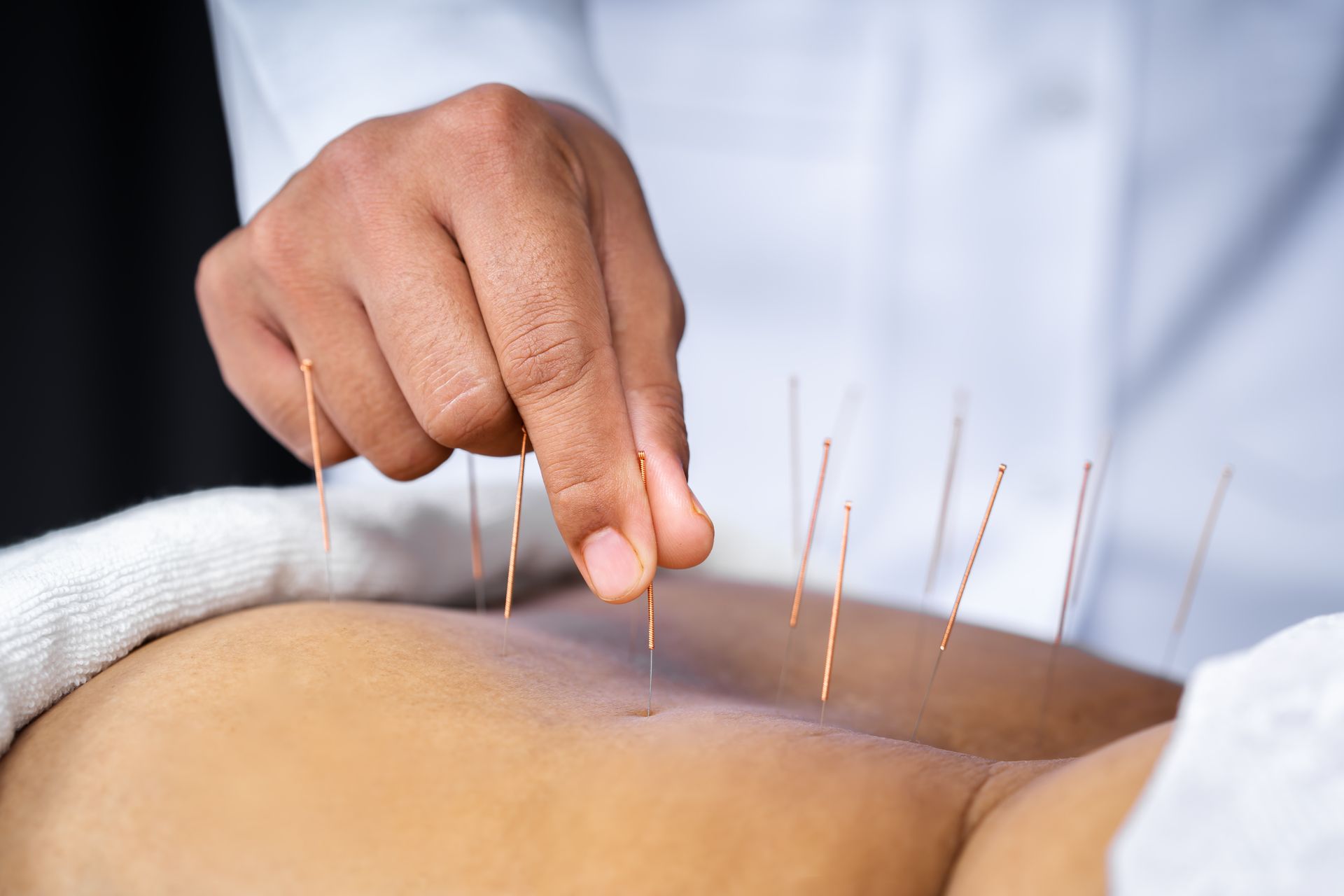
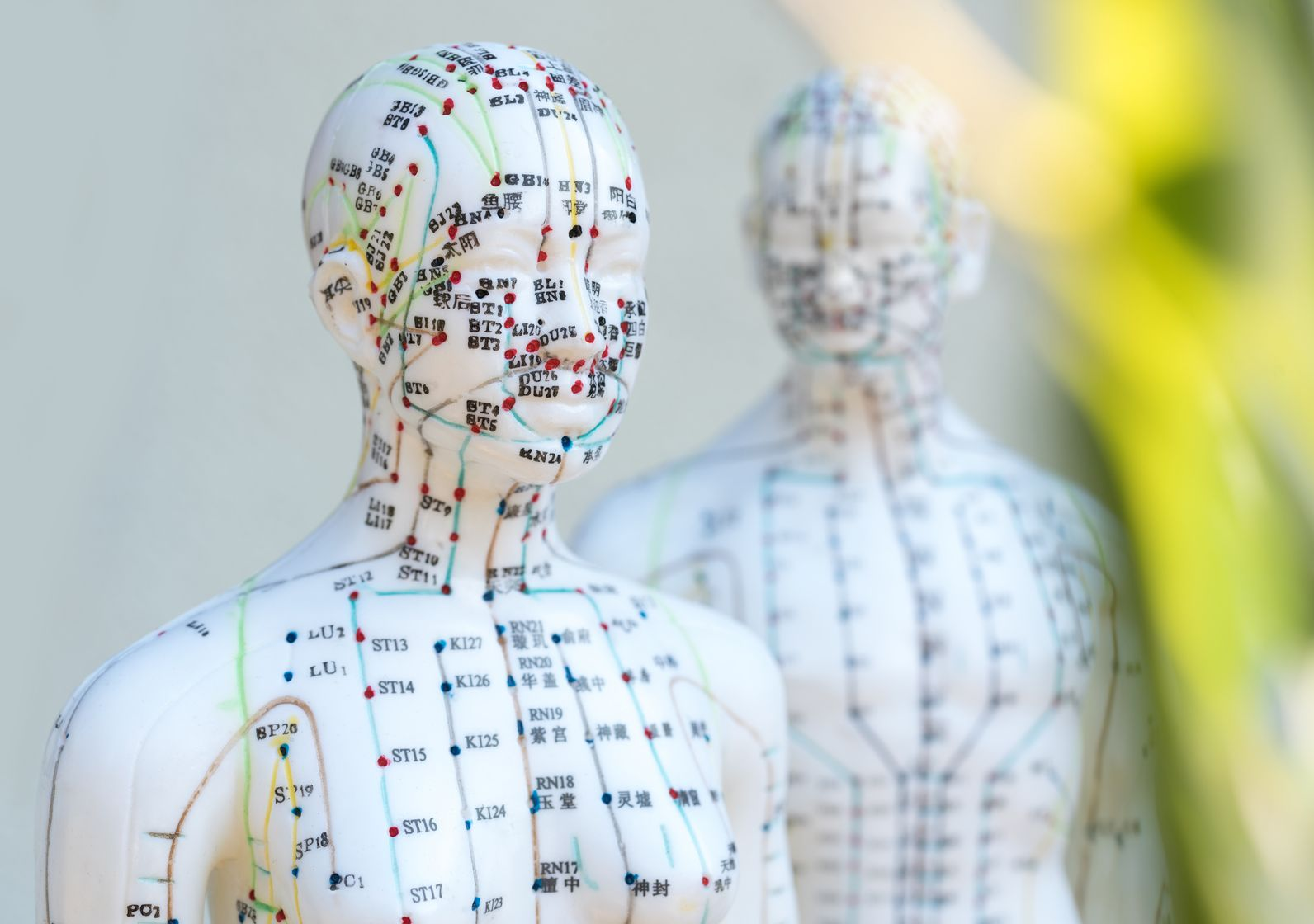
Acupuncture points lie along meridians—pathways that connect the body’s surface with internal organs and tissues—and are often found in areas of muscle tension where stress accumulates. Refined over generations of clinical practice, these points are used to influence the body’s own physiology without introducing drugs or chemicals, resulting in a safe treatment with minimal side effects. Modern research shows that acupuncture stimulates the release of endorphins and supports healthy levels of neurotransmitters such as serotonin and dopamine, helping to relieve pain, reduce stress, and improve mood. It can relax tight muscles, activate underused ones, improve circulation locally and systemically, support immune function, and regulate the nervous system—encouraging the body to shift out of “fight or flight” and into a state of healing and balance.
Common conditions treated with Acupuncture
Pain & musculoskeletal conditions
- Chronic or acute back or neck pain
- Shoulder, elbow, hip, or knee pain
- Wrist/hand pain or ankle/foot pain
- Nerve-related pain such as sciatica or neuropathy
- Headaches and migraines with musculoskeletal or neurological components
- Postural or movement-related dysfunction
- Muscle tension, stiffness, or imbalances
Sleep, stress, and emotional health
- Insomnia or restless sleep
- Anxiety, tension, and mood regulation
- Stress-related physical symptoms such as tension headaches or jaw clenching
Respiratory & immune support
- Chronic cough, asthma, bronchitis
- Sinus congestion and seasonal allergies
- Support for overall immune function
Digestive disorders
- Chronic digestive discomfort, bloating, gas
- Nausea or acid reflux
- Functional bowel issues such as IBS
Women’s health & hormonal balance
- Menstrual cramps and pain
- Irregular periods or PMS
- Menopause-related symptoms and hot flashes
Cardiac & circulatory support
- Poor circulation or cold extremities
- Fatigue related to musculoskeletal strain or restricted blood flow

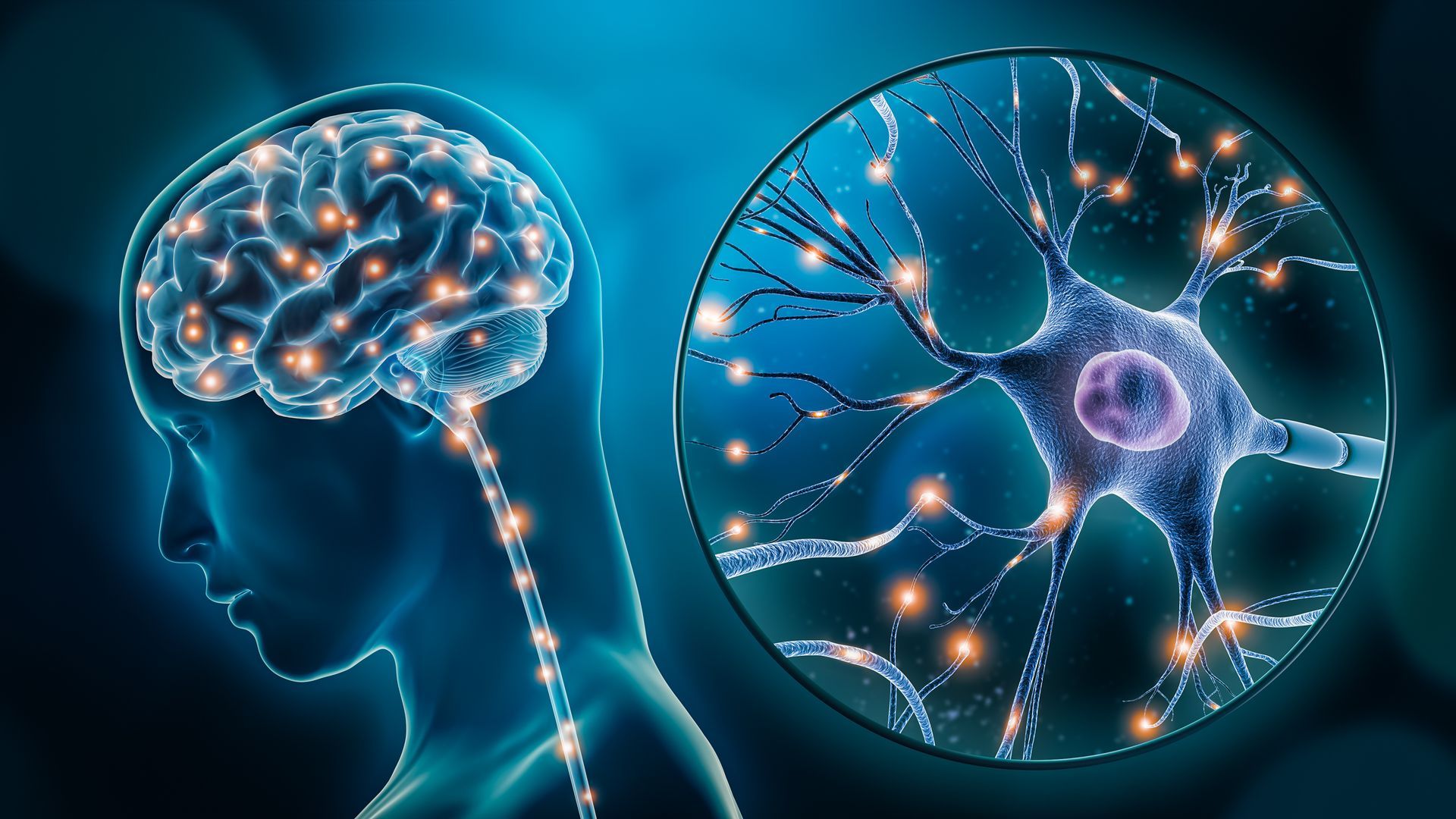

Acupuncture is especially effective for musculoskeletal concerns, nervous system imbalances, and support with stress and mental health. For musculoskeletal concerns, acupuncture can regulate muscle tension in both chronic patterns and acute injuries, by releasing muscles that are too tense, as well as by neurologically stimulating muscles that are not activating properly. Balancing muscle tension and coordination can allow the structure to fall into a better alignment naturally, reducing pain so that you can get back to standing, walking, and moving without pain.
For conditions related to digestion, respiratory/immune function, or women’s health, Chinese herbal medicine is often particularly effective at addressing internal imbalances For this reason, Chinese herbal medicine may be recommended either alongside or as a stand-alone treatment, depending on your individual needs. Acupuncture remains highly effective for musculoskeletal, neurological, and stress-related concerns.
Acupuncture requires years of study and careful assessment to ensure safe and effective treatment. Sessions are personalized based on your symptoms, health history, and wellness goals. If you’re curious whether acupuncture may be right for you, we’re happy to answer your questions and help determine the best approach for your care.